
The Real Difference Between Luck and Skill in iGaming
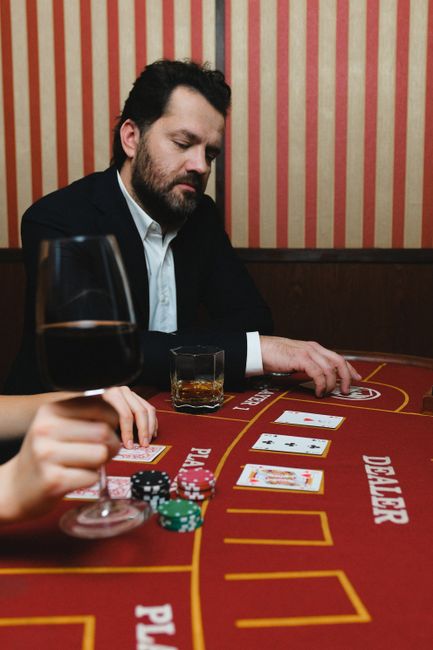
Ask ten casino players what separates a winning session from a losing one and you'll get ten different answers. Some will swear it's the slot machine's mood. Others will point to their poker face. A few will quietly admit they have no idea and just enjoy the ride. Here's the uncomfortable truth: most people mixing up luck and skill in iGaming are losing money because of it. Understanding where chance ends and decision-making begins is the single most useful thing you can learn, whether you're spinning reels, betting on football, or grinding low-stakes poker tables.
Slots: Pure Chance, But Not All Choices Are Equal
Let's start with the least controversial game in the building. Slot machines are random number generators. Always have been, always will be. The outcome of each spin is determined the moment you press the button, independent of what happened before. That 10-spin losing streak doesn't make a win more likely. The machine has no memory and no mercy.
Yet skill still play a role, just not where beginners look for it. The skill in slots is choosing the right machine and managing your bankroll before you ever hit spin:
- RTP matters more than volatility when you're playing long sessions. A 96.5% RTP slot with high volatility will swing harder than a 95% slot with low volatility, but over thousands of spins the higher RTP slot returns more.
- Bonus buy features can cost 100x your stake. That's not a shortcut to profit, it's a leveraged gamble with a fixed house edge.
- Jackpot slots usually fund that jackpot through a lower base-game RTP, sometimes dropping to 88%. You're paying for the dream, not the math.
So no, you can't out-skill a slot machine. But you can absolutely out-think the average player who picks games based on how shiny the graphics are.
Sports Betting: Where Edge Is Real and Small
Sports betting sits in a strange middle ground. The bookmaker's margin means you're starting from behind, usually around 4-7% on standard markets. But unlike slots, the odds aren't fixed against you. You can find value. You can exploit soft lines. You can bet against public sentiment when the data says otherwise.
The problem is that most bettors mistake strong opinions for edge. Liking a team doesn't create value. Knowing that a starting quarterback is out, that public money is heavy on one side, and that the line hasn't moved accordingly, that's edge. It's thin, it's hard-won, and it disappears the moment you start betting on your favorite team because your heart says so.
A practical example: if you bet 100 games at -110 odds and win 55% of them, you're profitable. Win 52.5% and you break even. That 2.5% gap is the entire game. It's why professional bettors treat it like a job and not a weekend hobby. They track every bet, they know their closing line value, and they never chase losses. The recreational bettor who bets 20 games a season based on gut feeling is essentially playing a slot machine with extra steps.
Poker: The Only Game Where Skill Dominates Long-Term
Poker is the outlier. In the short run, anyone can win a hand. You can shove all-in with 7-2 offsuit and beat aces. That's luck. Over 100,000 hands, the variance smooths out and the better player wins. Period. That's why poker is the only iGaming vertical where professional players consistently make a living from the game itself rather than from promotions or rakeback. For practical tips, check out สล็อต.
But here's what separates winning poker players from break-even ones, and it's not what most people think:
- Position awareness. Acting last gives you information. Playing too many hands from early position is the most common leak at low stakes.
- Bankroll management. You need at least 20 buy-ins for cash games and 50-100 buy-ins for tournaments if you want to survive downswings without going broke.
- Hand reading, not card reading. You're not trying to guess the exact two cards your opponent holds. You're constructing a range and acting on it.
- Emotional control. Tilt costs more money than bad beats. Seriously. The player who can fold a strong hand when the board texture says they're beaten will out-earn the player who calls down out of frustration every time.
The skill ceiling in poker is genuinely high. The best players in the world win at rates that would be impossible in any other casino game. But the learning curve is brutal, and most people never climb past the first few steps because they refuse to study.
Why This Distinction Matters for Your Wallet
If you're playing slots, accept that you're paying for entertainment. Set a budget, treat it as the cost of a night out, and never chase losses. If you're betting sports, treat it like investing. Track your results, calculate your ROI honestly, and cut yourself off if you're not beating the closing line. If you're playing poker, treat it like a skill you're developing. Study ranges, review your sessions, and don't move up in stakes until you're consistently winning at your current level.
The worst thing you can do is apply the wrong mindset to the wrong game. Playing slots like a poker player leads to frustration. Playing poker like a slots player leads to ruin. Playing either without knowing which one you're doing is how the house keeps its edge.
The Bottom Line
iGaming isn't a single thing. It's a collection of games with wildly different skill-to-luck ratios, and treating them all the same is a guaranteed way to lose money slowly and confusingly. Slots are entertainment with a fixed cost. Sports betting is a market with exploitable inefficiencies if you're disciplined enough to find them. Poker is a skill game where variance is just the noise around your true win rate. Know which one you're playing. Know why you're playing it. And never let a lucky session convince you that you've cracked the code, because the math always wins in the end.
